


Privacy App Guard
4.217.00 Reviews
App Specs
- Version
- 1.0.1
- Updated On
- License
- Free
- Downloads
- 100,000+
- Developer
- Yongyou Trading Co
- Categories
- Casual
- Platform
- Android
Screenshots
 Analysis by AppCompare
I approached Privacy App Guard expecting the kind of quick, colorful distraction I usually associate with casual games. Its focus is quite different: it is a privacy utility built around guarding access to apps and personal information. That mismatch between the “game” label and the practical purpose is the first thing worth understanding. If you want a puzzle or a world to explore, this is not that sort of download; if you want a straightforward way to add a lock between someone else and selected apps, its premise is easy to grasp.
In everyday use, the appeal is less about spectacle than about a small moment of control. I can imagine reaching for it after lending someone my phone to show a photo, or when a family member wants to use a game but I would rather keep messages and other private apps out of reach. The useful question is whether a dedicated guard fits your habits better than the privacy tools already built into your phone. My view is that it may suit someone who wants a separate, focused layer, but it should not be mistaken for a complete security solution.
A practical idea with an unusual casual-game label
I’d use this section to set expectations before considering the day-to-day trade-offs: the casual-game label may suggest entertainment, while the practical appeal is a focused boundary around selected apps. That distinction matters most when deciding whether another privacy step would genuinely help with how you share your phone.
First impression: privacy is the point, not a game world
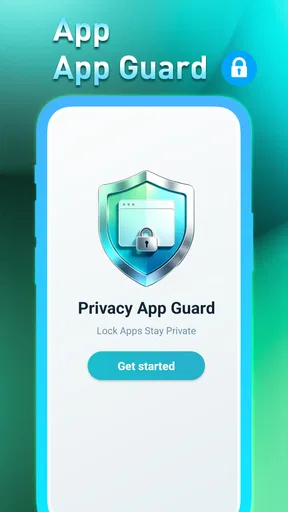
The name, Privacy App Guard, is direct about what it is for: restricting access to apps and keeping private material less exposed. Its store summary promises a protective purpose, not a story, characters, levels, or a particular play style. I would therefore judge it by whether it makes the idea of app locking understandable and useful, rather than by the usual measures for a casual game, such as level variety or challenge balance.
That distinction matters before installing. The game category can set an expectation of entertainment, while the product’s actual role is closer to a privacy tool. Yongyou Trading Co is the developer, and the app is free. It is rated for Everyone, has an average rating of 4.2 from around 180 ratings, and has passed 100K+ installs. Those figures suggest that people have tried it, but they do not tell me whether it will suit your phone, your privacy habits, or the way you share your device.
The current version is 1.0.1, and the minimum operating system is 10. The release date is Sep 8, 2026. For someone deciding whether to install it, the practical starting point is to check that their device meets that requirement and to think through which apps they would actually protect. Locking everything by default can make a phone irritating to use; choosing a small number of sensitive apps is usually the more workable approach.
World language: the app’s setting is your own phone
There is no fictional setting to learn here. The “world” is the familiar collection of apps on your home screen, and the mood comes from the contrast between what you normally open freely and what you would prefer to keep private. That makes the concept easy to understand, but it also puts the burden on the tool’s practical design: the value depends on a clear, dependable routine, not on visual storytelling.
Worth Reading Before You Choose

EA SPORTS FC Mobile 26 Is a Bigger Football Game, but It Takes Time

Flipboard Shows What News Apps Must Do Beyond the Feed

Switching to Android Auto Means Rethinking Your Driving Routine

Google Calendar Makes a Crowded Week Easier to Manage

Ludo King Makes the Most of the Minutes Between Plans

Baby Panda World Brings Quick Play to Modern Phones, but Its Game Library Feels Busy
A useful way to prepare is to separate apps by consequence. A messaging app, photo gallery, or account-related app may contain information you would not want a curious friend to browse. A weather app or a public transport app may not need the same barrier. This small bit of planning can prevent the common annoyance of repeatedly unlocking ordinary tools while still covering the places where a little privacy matters.
There is also a trade-off in how people share phones. A guard can help when you hand over a device for a specific task, but it cannot make every piece of information on the phone private. Notifications may still reveal something on the lock screen, and a person who already knows the device passcode may have other routes into the phone. I would pair app-level protection with sensible notification settings and the phone’s own screen lock rather than relying on one layer alone.
Sound and rhythm: a utility has a different pace
For a game, sound and pacing can make a simple mechanic feel satisfying. Here, the product’s stated purpose gives me no reason to expect a soundtrack, action loop, or level-based rhythm, so I would not install it for those qualities. The right pace for an app guard is almost the opposite: setup should be clear, and everyday access should not become a repeated obstacle. A privacy tool earns its place by staying out of the way until the moment it is needed.
That creates a practical test I would use soon after setup. Try opening a protected app in the ordinary situations where you use it: while switching quickly between tasks, when sharing the phone, and after leaving the app and returning. If the guard interrupts normal use too often, protect fewer apps or reconsider whether the phone’s built-in controls are a better fit. A protective step that users find frustrating is likely to be bypassed or abandoned, which defeats its purpose.
Another useful habit is to decide what you will do if you forget the method used to unlock a protected app. Before depending on any app-level barrier, make sure you understand its recovery path and keep your device’s core account access secure. I would not treat a newly installed guard as the only way to reach essential information; a privacy layer should reduce casual access without leaving you stranded from your own phone.
Mechanical fit: when a separate guard makes sense
The core promise is easy to explain: lock selected apps so that casual access is less open. The strongest use case is a shared-device moment, not defending against someone with extensive access or technical skill. For instance, if a friend borrows your phone to look at a map, a guard can make it less likely that they will drift into private conversations or photos. It is a modest boundary, but modest boundaries can be useful when the alternative is handing over an unlocked phone with everything exposed.
It may also help someone who wants a visible, dedicated place to manage app access instead of relying only on habits. The trade-off is another layer to maintain. You need to choose protected apps thoughtfully, learn how the guard behaves, and remember that any extra prompt adds friction. Someone who rarely lends out their phone and already uses built-in privacy controls may gain little from installing a second tool.
Compared with the usual alternatives, this app sits between doing nothing and relying entirely on device-level controls. A phone’s native screen lock protects the device as a whole; it is often the simpler foundation and should remain in place. Built-in options may also cover some app privacy needs, depending on the device. A separate guard is more appealing when you specifically want an additional boundary around chosen apps, but I would compare its setup and recovery experience with the controls already available on your phone before making it part of your routine.
One non-obvious workflow is to start with the app you would be most uncomfortable having opened by accident, rather than trying to protect every app in one go. Use the phone normally for a day, then add another only if a real sharing situation shows that it needs protection. This keeps the experience lighter and helps you identify whether the guard solves a real problem or simply adds another step.
Another is to test the handoff scenario itself. Before passing your phone to someone, open the harmless content they need and confirm that the sensitive apps you selected remain behind the guard. That is more informative than merely checking that a lock screen appears during setup: it tests whether the arrangement fits the actual way you lend your device. I would also avoid treating app locking as a substitute for signing out of accounts on a phone that is used by multiple people over a long period.
Making the boundary work in ordinary routines
A realistic routine might be a parent handing over a phone for a short trip, so a child can use one suitable app while private conversations and personal photos stay less accessible. I would set up the boundary before the handoff, not while someone is waiting, and then try the exact sequence once on my own: leave the chosen app, return to the home screen, and see whether moving into a protected area behaves as expected. That rehearsal can expose an awkward step before it matters.
For a work break, the same idea can help when a colleague borrows a phone to check a route or make a quick call. I would keep the phone unlocked only for the task at hand and avoid assuming the guard conceals notification previews or other information outside the selected apps. If what you need is a temporary, tightly limited view of one app, a built-in screen-pinning or guest feature—where your device offers one—may be a better fit than managing several app locks.
There is a useful distinction between privacy from a casual glance and security against deliberate access. This tool’s premise is the first kind of boundary. If another person knows your device passcode, can change the phone’s settings, or has access to your accounts, the right response is to strengthen those foundations rather than adding more app-level barriers. I would also avoid locking an app that someone else genuinely needs for an emergency unless you have tested how they can reach the necessary information.
Who benefits, and where the friction outweighs it
I see the clearest fit for someone who occasionally shares an unlocked phone and wants a simple, selective reminder that certain apps are private. It may also suit a person who prefers managing access to a handful of apps in one focused routine instead of relying on memory alone. The benefit is most convincing when you can name a specific moment that causes concern; a vague desire to make a phone “more secure” is not enough to justify another layer.
On the other hand, people who keep their devices to themselves, already use effective native privacy controls, or dislike extra authentication steps may be happier without it. Frequent app switching can make repeated checks feel cumbersome, especially if many apps are protected. For shared family devices used throughout the day, separate user profiles or a dedicated device may be more practical than trying to make one person’s phone serve several people with different privacy needs.
Before settling on it, I would ask three practical questions: which exact apps need a boundary, what will happen when I hand the phone over, and how will I recover access if I forget the unlock method? If those answers are clear and the test routine feels natural, a separate guard could make sense. If you cannot identify a real use case, or if the built-in screen lock and device features already cover it, skipping another utility is a reasonable choice.
Who should look elsewhere
If you came looking for a casual game with levels, progression, playful art, or a soundtrack to settle into, this is the wrong match. Its purpose is functional, and the “game” label should not lead you to expect an entertainment experience. Likewise, if you need strong protection against a person who can access your unlocked phone, knows your credentials, or can change device settings, an app guard alone is not enough. Device security, account hygiene, and careful sharing habits matter more in that situation.
I would also skip an extra guard if the phone’s existing controls already cover your needs and you do not share the device. An added layer is only worthwhile if its convenience and privacy benefit outweigh the friction of managing it. For parents, too, this should be considered a narrow tool rather than a complete way to supervise a device: it concerns access to apps, not a broader plan for online safety or screen time.
Atmosphere verdict: useful when the boundary is specific
My overall impression is that this is a practical privacy-focused app presented in a category that may confuse people expecting a conventional casual game. Its mood is defined by restraint: the point is not to pull you into a fictional world, but to make selected parts of your phone less casually accessible. That is a coherent purpose, even if it does not offer the playful atmosphere implied by many games.
The strongest reason to try it is a clear, everyday privacy problem, such as lending your phone while wanting a few apps kept private. The strongest reason to pass is that you expect entertainment, or that your device’s built-in protections already do the job with less effort. I would begin with one sensitive app, test the handoff routine, and keep the phone’s native lock and notification controls in place. If that focused setup feels natural, Privacy App Guard may earn a place in your routine; if it creates more interruptions than confidence, the simpler option is probably better.
Pros
- Helps prevent accidental access to selected apps when lending your phone.
- A separate lock for sensitive apps can add a useful layer of privacy.
- Simple app-by-app protection is easier to manage than locking the whole device.
- Can be useful for keeping private chats and photos away from casual viewers.
- Offers extra peace of mind when sharing a device with family or friends.
Cons
- An app lock cannot protect content already visible in notifications or previews.
- Protection may be less reliable if the app is force-stopped or its permissions change.
- You may need to unlock apps repeatedly during normal use.
- Forgotten passwords or patterns can make access to protected apps inconvenient.
- App-lock tools may request broad permissions that some users find intrusive.
FAQs for Privacy App Guard
What is Privacy App Guard, and what does it do?
Privacy App Guard is designed to help you protect sensitive information on your device by adding privacy controls to selected apps or content. Its exact tools can vary by version and device, so check the app’s current store listing before installing. Review the available features and permissions to make sure they match what you need; an app-guard utility does not replace your device’s built-in security or safe account practices.
How does Privacy App Guard protect apps or private information?
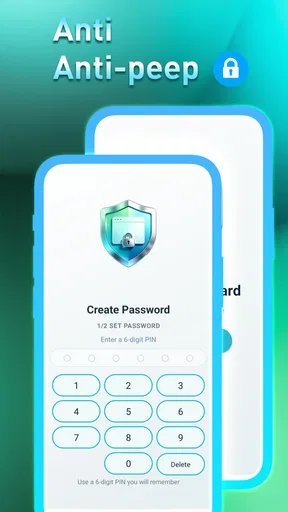
Depending on the version, Privacy App Guard may let you secure selected apps with a passcode, pattern, or another supported lock method. Setup typically involves choosing what to protect and configuring the available authentication options. Before relying on it, test the lock behavior yourself, including after restarting your phone or switching users. App protection can have limits, and someone with access to an unlocked device may still reach information shown in notifications or stored elsewhere.
What permissions does Privacy App Guard require, and are they safe to grant?
The permissions requested depend on the features offered by the version you install. An app-lock tool may need special access to detect when protected apps are opened, while other capabilities may require additional permissions. Read each permission prompt and the developer’s explanation before granting access, and avoid enabling permissions that seem unrelated to the feature you want. You can review or revoke many permissions later in your device settings, though doing so may disable some functions.
Is Privacy App Guard free, and does it include ads or in-app purchases?
Pricing and monetization can differ between editions, regions, and app-store listings. Privacy App Guard may be offered as a free download, but that alone does not confirm whether it contains advertising, optional purchases, or paid features. Check the listing and the app’s purchase screen before subscribing or paying, and review renewal terms if a trial is offered. Do not assume that every feature is available at no cost or that pricing is identical on Android and iOS.
Is Privacy App Guard compatible with my phone, and what should I check before downloading it?
Compatibility depends on your operating system version, device manufacturer, and the app’s current release. Confirm the minimum supported version in the official store and check recent reviews for reports about crashes, battery use, or features that do not work on particular devices. Install the app only from a trusted source, verify the developer name, and read its privacy policy. If you rely on a lock feature, test it before storing or exposing sensitive information.


